Healthcare
Underwrite the provider.
Then keep watching.
Risk and underwriting infrastructure for the companies advancing against healthcare claims.
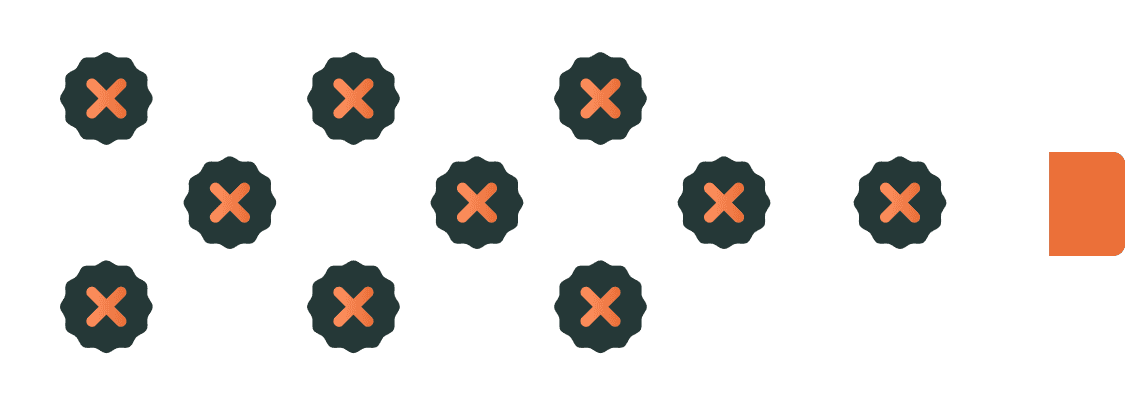
The Bottleneck:
In healthcare, the operator you underwrite is not the party who pays you. A provider submits the claim, and someone else decides what clears and when.
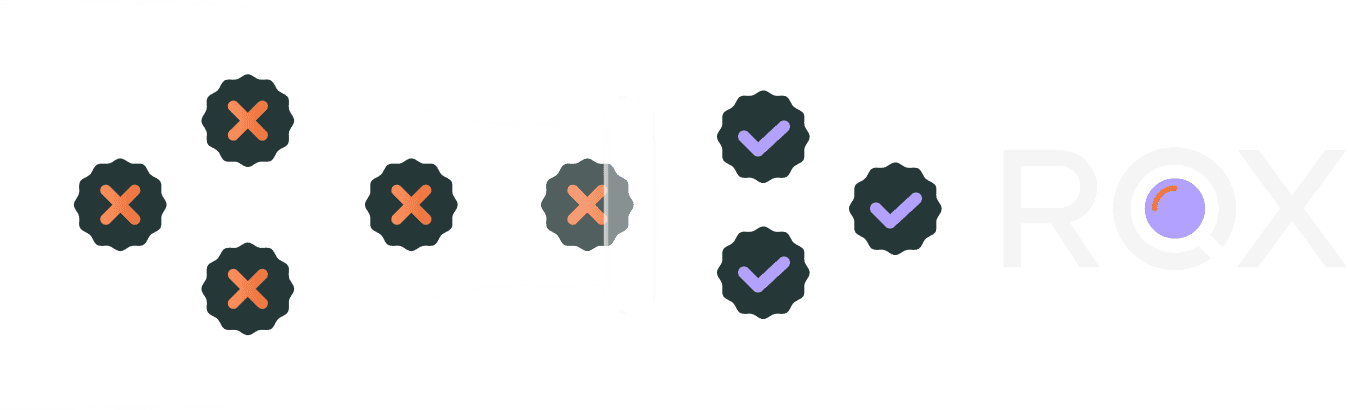
The ROX Solution:
Verify the organization at the door, build the credit memo from one file, and keep watching the account after you fund.
Medical receivables underwriting is qualifying a healthcare provider, and the receivables behind their claims, before you advance against them. ROX runs it end to end, application through monitoring.
WHAT IS DIFFERENT HERE
Three things healthcare changes about underwriting
The structure is familiar. The collateral behaves differently, and that is where the losses come from.
The payer decides, not the provider
You can read the operator correctly and still be exposed to how a third party adjudicates their claims.
A clean file is a snapshot
Documents tell you what an organization looked like on one day. The exposure sits in how its receivables behave over the months after.
The loss is rarely the file you misread
It is the account that was fine for a year and then changed, with nobody watching closely enough to catch it.
WHO YOU FUND
Built for the provider types you already see
The organizations on the other side of your applications, whatever the claim volume looks like.
- Multi-specialty practices
- Specialty groups
- Infusion centers
- Behavioral health groups
- Hospitals
- Health systems
ROX underwrites the organization and monitors it after funding. Your billing and claims workflow does not change.
LOSS PREVENTION
The risk shows up after you fund, not at the door
Onboarding tells you what an operator looked like on one day. ROX keeps checking after the money goes out, so a shift in the account reaches your team while you can still act on it.
HOW IT WORKS
One workflow, application to monitoring
The same sequence your team runs now, with the manual collection and re-checking taken out.
- 01
Collect at the door
The applicant submits documents through a branded portal. No email threads, no chasing attachments, nothing retyped into a second system.
- 02
Verify the organization
Credit, identity, background, and bank data run as part of the application, so you are underwriting a verified entity rather than a form someone filled in. Healthcare Search screens every owner and provider against federal and state exclusion lists in the same step.
- 03
Decide on one file
Everything lands in a single audit-ready record with the credit memo generated for you, so the committee reviews a decision instead of assembling one.
- 04
Monitor after funding
Set a cadence and ROX keeps watching the account between fundings, then alerts your team when something moves.
WHERE THIS SHOWS UP
Two ways companies arrive here
Both are underwriting healthcare receivables. They start from opposite ends of the same market.
You already advance against claims
You built the funding product and the underwriting grew around it, spreadsheet by spreadsheet. The volume now outpaces the process, and the review step is what limits how much you can write.
You process claims and are adding funding
You already sit in the claims workflow for a large base of providers, and advancing against what you process is the obvious next product. The gap is the underwriting and monitoring layer, which is a different discipline from processing.
ONE FILE, EVERY SOURCE
Every check in one place
Healthcare Search checks a business or a person against five official government sources in one search, inside the underwriting file. The business, its owners and every provider on the application each get their own row, and every result comes back as Sanctioned, Excluded, Needs review or Clear. Available on every plan, including the three free applications.
OFAC sanctions
The U.S. Treasury federal sanctions list, matched against known aliases. Every result leads with an exact match or no exact match.
OIG exclusions (LEIE)
Providers barred by the HHS Office of Inspector General from billing Medicare and Medicaid.
SAM.gov debarment
Businesses and people barred from holding federal contracts.
State Medicaid exclusions
State-level exclusion lists covering about 40 states plus the District of Columbia.
NPI Registry (NPPES)
Confirms the provider is real, and returns their NPI number and specialty.
FAQ
Medical receivables underwriting, answered
It is the work of qualifying a healthcare provider, and the receivables behind their claims, before advancing money against them. It covers verifying the organization, assessing how reliably its claims convert to cash, and monitoring the relationship after funding. The buyer is the company doing the advancing, not the practice submitting the claim.
Companies that put capital behind healthcare claims: medical receivables funders, healthcare factors, and clearinghouses or revenue-cycle platforms adding a funding product to what they already process. If you advance money and carry the risk when a claim does not pay, this is for you.
Yes, through Healthcare Search. One search checks a business or a person against five official government sources at once: OFAC sanctions including known aliases, the HHS Office of Inspector General exclusion list (LEIE), SAM.gov federal contract debarment, state Medicaid exclusion lists covering about 40 states plus the District of Columbia, and the NPI Registry to confirm the provider is real. The business, its owners and every provider on the application each get their own row, so nobody is missed, and every result comes back as Sanctioned, Excluded, Needs review or Clear. An underwriter can save a match to the file or clear someone with a note, which leaves a record of the decision. Healthcare Search is available on every plan and can be run during the three free applications. Like every other ROX report, it draws from your credit balance.
The structure is the same and the collateral behaves differently. With an invoice, one business owes another and you underwrite that debtor. With a claim, the provider submits and a third party decides what actually gets paid and when. You are underwriting an operator whose cash comes from someone else's adjudication process, which is why monitoring after you fund matters more here, not less.
No. ROX sits on the underwriting and risk side, before and after the money goes out. Your billing and claims workflow stays where it is. ROX can run inside your own application through our API if you would rather not add another interface for your team.
Yes. Run three real applications through ROX free, on your own book, with no card and no commitment. That is usually enough to see whether the workflow fits how your team already underwrites.